

The ADA Title II Deadline Is Approaching. Is Your Video Content Ready?
New digital accessibility requirements are changing how public entities deliver online content. From live meetings to recorded video, AI-Media helps organizations make content more accessible with scalable, AI-powered captioning and audio description solutions.
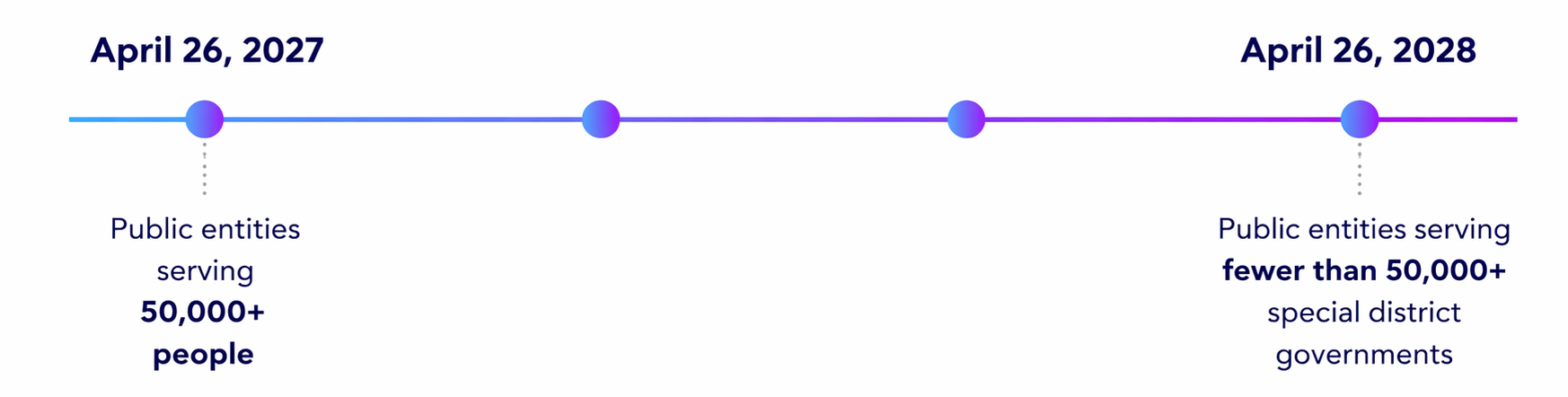
Until the April 26, 2027 deadline.

What Changed?
The U.S. Department of Justice has extended the compliance deadlines.
While this gives public entities more time, it’s important to understand what hasn’t changed:
the expectations remain the same.
State and local governments are still required to ensure all public-facing digital content - including websites, mobile apps, and multimedia is accessible.
For the first time, compliance is explicitly tied to WCAG 2.1 Level AA, the global standard for digital accessibility.
This means every public entity from states and cities to school districts and utilities must ensure their digital services meet accessibility requirements, including support for captions, transcripts, and audio description.
Who Must Comply - and When?
What WCAG 2.1 AA Requires*
Digital accessibility isn’t optional. These requirements ensure equal access for people who are Deaf, hard of hearing, blind, or low vision - and create a better digital experience for all citizens. Under WCAG 2.1 AA, public entities must provide:
Captions
All prerecorded video, plus real-time captions for live streams (council meetings, hearings, events).
Transcripts
All audio-only content (podcasts, announcements, audio archives).
Audio Description (AD)
Prerecorded videos must include audio description whenever visuals carry meaning not spoken aloud.
How AI-Media Can Help...
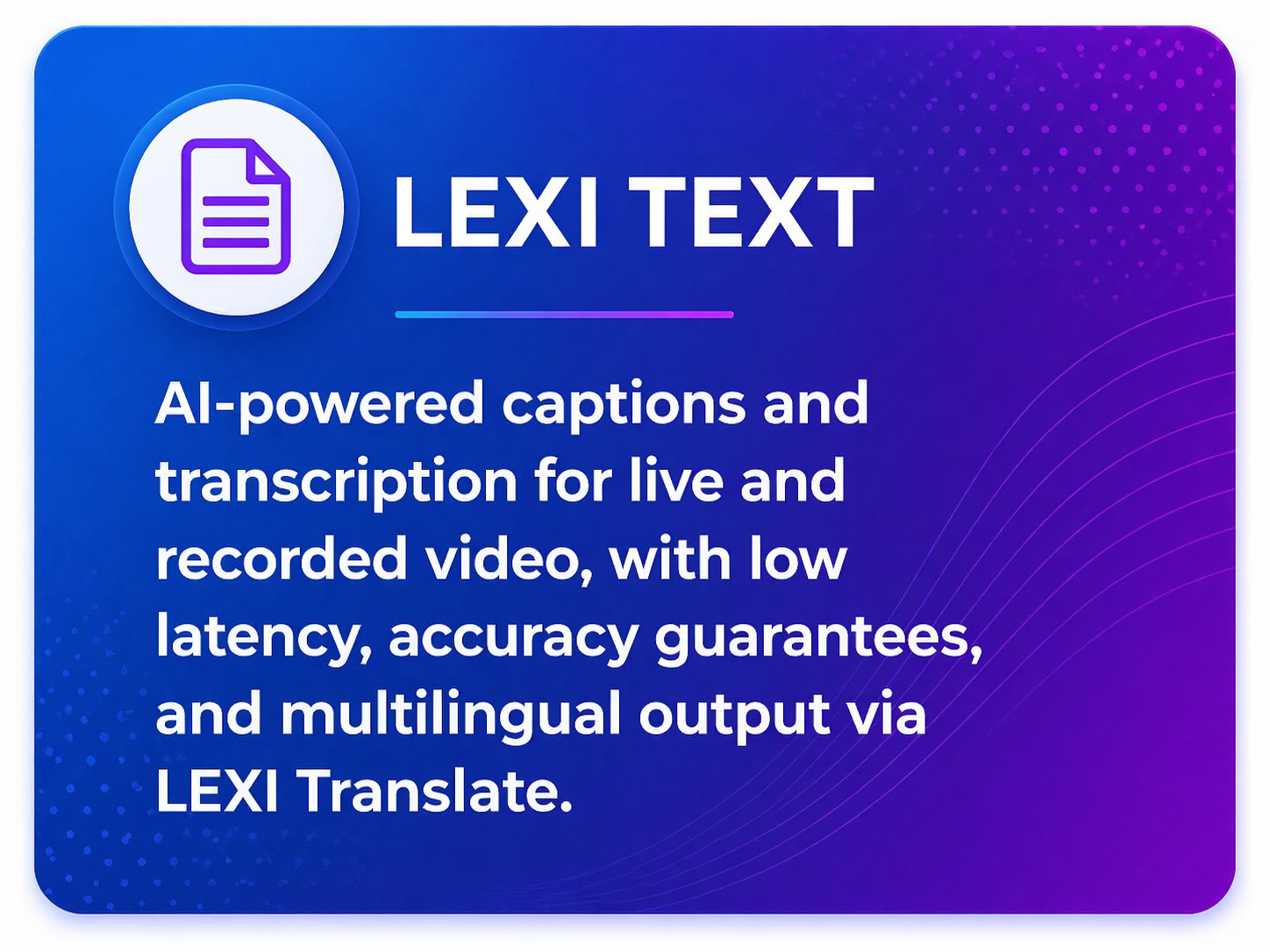
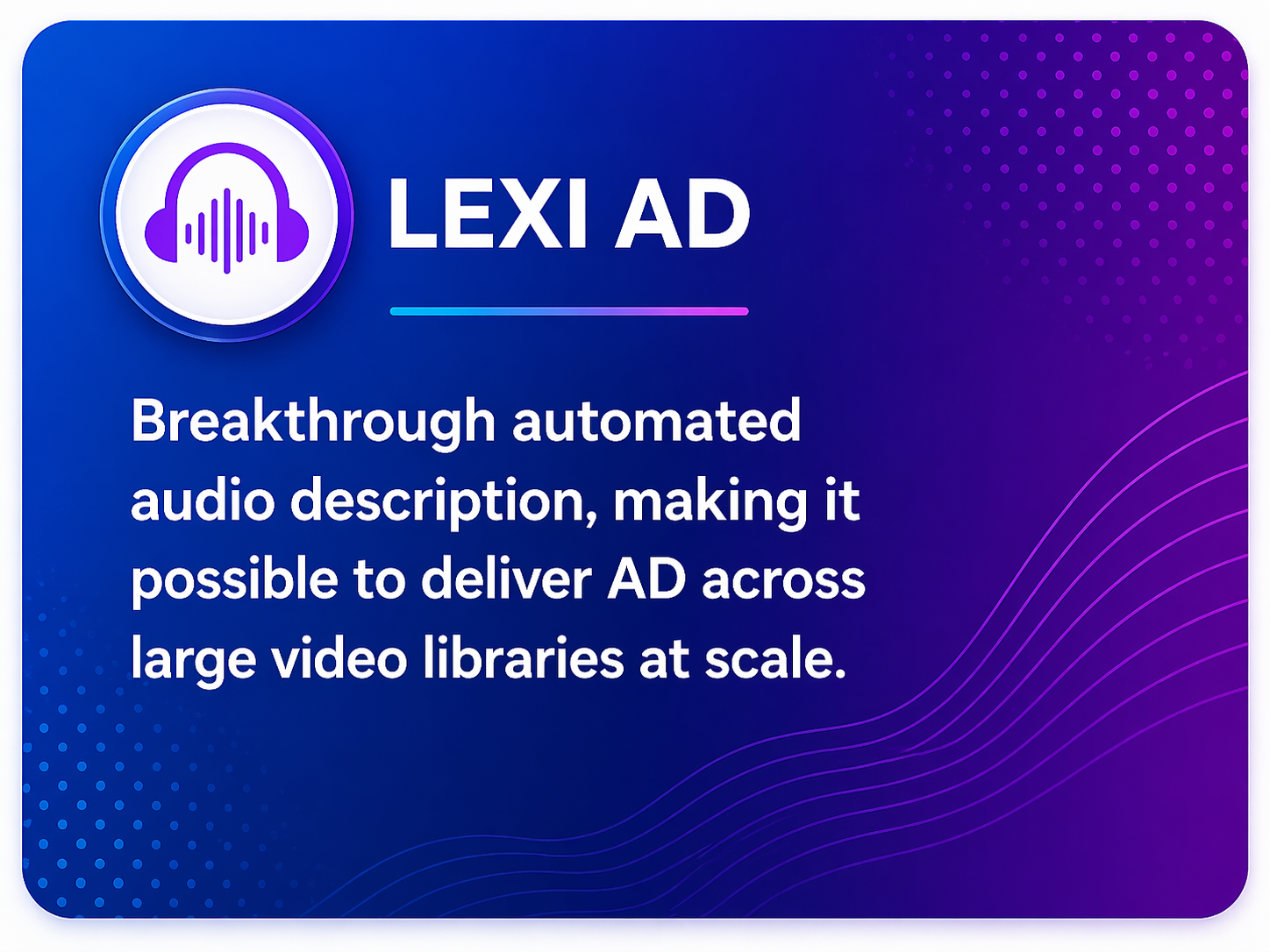
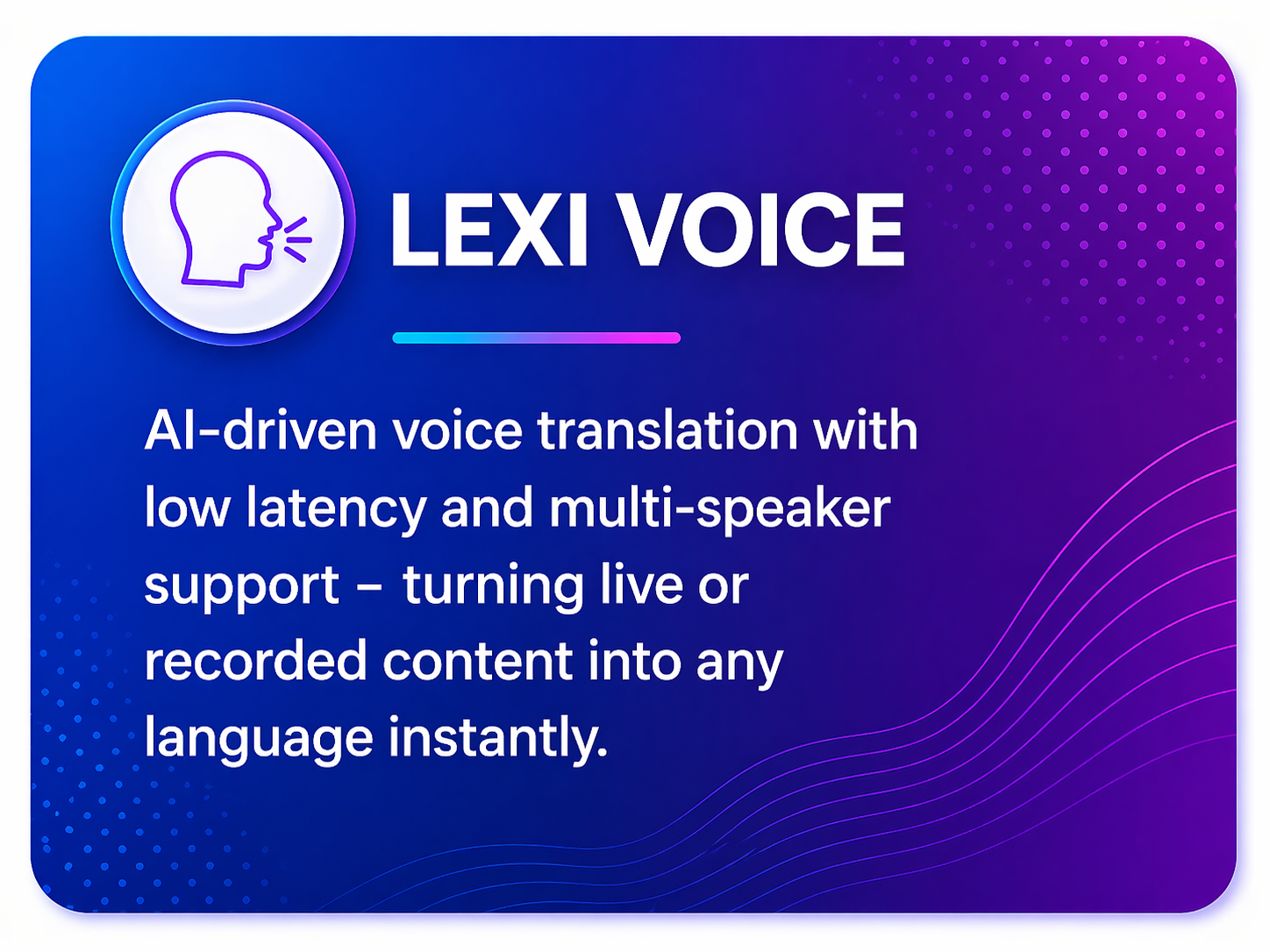
With scalable solutions built on more than 20 years of broadcast experience, AI-Media helps organizations improve accessibility while managing resources and budgets.
Not Sure Where to Start?
Download Your ADA Title II Readiness Checklist.
Understand the requirements, identify potential accessibility gaps and take practical steps toward improving your organization's digital content.
Your ADA Title II Resource Hub
Get practical guidance on digital accessibility requirements, video captioning and audio description with our on-demand webinars and educational resources.
Explore Our Most Recent Blogs
Explore ADA blogs alongside the latest from AI-Media for valuable insights and industry updates.
Webinar Recording
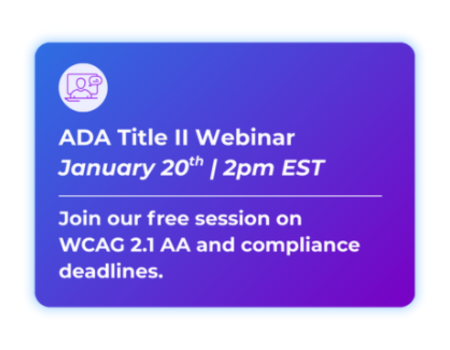
ADA Title II – Compliance Made Simple with AI
Insights into WCAG 2.1 AA and
AI-powered accessibility.
Webinar Recording
ADA Title II & Video Accessibility – What Organizations Need to Do Now
Guidance on video accessibility and audio description.
Have a question?
FAQS
Find quick answers about ADA Title II.
Where should our organization start with ADA Title II preparation?
Start by reviewing your existing digital content, including live streams, recorded videos and public-facing websites. Identify potential accessibility gaps, prioritize content that needs attention and establish a plan to meet applicable WCAG 2.1 Level AA requirements. AI-Media's free ADA Title II Compliance Checklist can help guide your next steps.
How can AI-Media help us manage accessibility across live and recorded video?
AI-Media offers scalable, AI-powered solutions to help make video content more accessible. LEXI Text delivers real-time captions for live events and broadcasts, LEXI Recorded generates captions for on-demand content, and LEXI AD provides audio description for recorded video. Together, these solutions help organizations streamline accessibility workflows across their video content.
Do all videos need captions?
Under WCAG 2.1 AA, covered prerecorded video content generally requires accurate, synchronized captions, while live video content requires real-time captions. Certain exceptions may apply, including qualifying archived content. Organizations should assess their video libraries and livestreaming workflows to understand their accessibility obligations.
What about audio-only content like podcasts?
WCAG requires text transcripts for all audio-only media.
Can AI-generated captions and audio descriptions support WCAG 2.1 AA requirements?
Yes! AI-powered captioning and audio description solutions can help organizations work toward WCAG 2.1 Level AA conformance. However, accuracy, synchronization and quality are essential. Automated content should be reviewed and corrected where necessary to ensure it meets applicable accessibility requirements.
Is audio description really mandatory?
Yes. WCAG 2.1 AA makes audio description mandatory for prerecorded videos where visuals convey meaning not already spoken in the main audio.
Can automated solutions meet the standard?
Yes. The DOJ does not prescribe how captions or audio descriptions are created - only that they meet WCAG 2.1 AA outcomes. Automated tools like AI-Media’s LEXI Text and LEXI AD are the only scalable way to cover large volumes of content affordably.
Where can I read more about the official ADA Title II rule and guidance from the Department of Justice?
You can access the full text and supporting materials directly from the U.S. Department of Justice:
-
DOJ Final Rule in the Federal Register (April 26, 2026) – The complete ADA Title II Final Rule, as published in the Federal Register.
-
ADA.gov Fact Sheet: Web & Mobile Accessibility Under Title II – A plain-language summary from DOJ outlining what the rule requires.
-
DOJ Announcement: Final Rule to Strengthen Web & Mobile App Access – Official DOJ press release highlighting key changes and compliance dates.
Can I trust AI-Media?
YES! AI-Media is a global leader in live captioning and translation services with more than 20 years of broadcast experience. LEXI Text and LEXI AD represent the next evolution of AI-powered accessibility - delivering high-quality captions and audio descriptions that make content truly inclusive. Both solutions are built on decades of live media expertise and continuous innovation shaped by the world’s largest broadcasters and event brands.